
It’s important to remember that alcoholism is devastating, but help is available from top alcohol rehabs in California like Resurgence Behavioral Health. Alcoholism has a profound impact on the body, leading to various health consequences that can significantly affect life expectancy. Prolonged and excessive alcohol consumption can lead to liver damage, such as alcoholic hepatitis, cirrhosis, and liver cancer. These conditions can severely compromise liver function and contribute to a shortened life expectancy. Understanding the factors that influence life expectancy in individuals struggling with alcoholism is essential for comprehending the impact this disease can have on one’s overall health and well-being. Several key factors contribute to the potential decrease in life expectancy among alcoholics.
The Detrimental Effect of Heavy Drinking on Life Expectancy

Supportive relationships can also help individuals navigate challenging situations, cope with stress, and prevent relapse. Building and maintaining these relationships is an important aspect of long-term recovery and improving life expectancy. Another study limitation was that alcohol consumption per capita was determined from aggregate data and not from alcohol exposure for individuals. However, the World Health Organization data used in this study were supported by similar results from population surveys in Denmark, Finland and Sweden (17–19).
Physical Health Risks
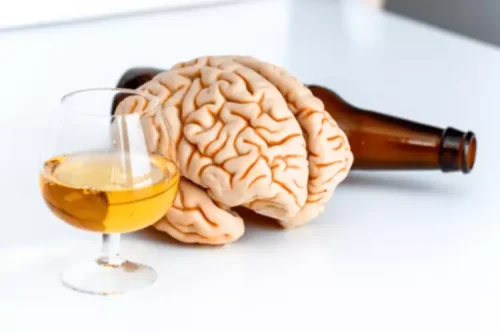
A number of research studies have been conducted recently to determine how many years alcohol typically takes off a person’s life expectancy. In one study, which examined people with and without alcohol use disorder from 1987 to 2006, it was discovered that life expectancy was 24 to 28 years shorter in alcoholics. The study also found that people with alcohol use disorder had higher mortality rates from all causes of death, all medical conditions and diseases, and suicide. By addressing and managing the addiction, individuals can reduce their risk of developing alcohol-related diseases, improve their overall physical and mental health, and enhance their quality of life. A common reason for health concerns and deaths from alcohol addiction is liver disease. The liver is responsible for filtering the toxins from substances such as alcohol out of a person’s body.

Health Effects of Chronic Alcohol Abuse
By seeking help, individuals can take steps towards improving their overall health and well-being, potentially prolonging their life expectancy. Alcoholism significantly reduces life expectancy by increasing the risk of liver disease, heart disease, cancer, and accidents. It’s important to note that these findings are based on aggregated data and individual experiences may vary. Because alcohol places a significant strain on the liver, people who suffer from alcohol use disorder often suffer from serious and even deadly liver diseases such Sober living house as liver cancer and cirrhosis of the liver. This is because long-term alcohol abuse damages the liver, and an estimated one out of every two Americans who have liver disease or end-stage liver failure are either active or recovering alcoholics.
- Research indicates that the adoption of healthy lifestyle choices can mitigate some of the dangers posed by alcohol consumption.
- When we drink, alcohol disrupts our hormones, which control our emotions and stress response.
- Social factors, such as social isolation, strained relationships, and limited access to healthcare, can also impact life expectancy among alcoholics.
- Prolonged and excessive alcohol consumption can significantly increase the risk of developing various health conditions.
- Alcohol can also impair sleep quality, and studies show the less sleep a person gets, the higher their risk of getting sick.
Greater Boston Addiction Centers
- Reach out to friends, family, and support groups for encouragement and assistance as you try to reduce the amount of alcohol you consume.
- This can lead to a range of health problems, including cardiovascular disease and diabetes.
- It’s also a good idea to talk to your doctor about your alcohol intake and to be mindful of your overall health and lifestyle.
- Because alcoholics often end up isolated and alone, they also face the risk of becoming clinically depressed including possible life-threatening health conditions.
Outpatient rehab offers a flexible and structured treatment approach, combining therapy, support groups, and holistic healing to help individuals maintain their daily responsibilities while working toward lasting recovery. Alcohol detox is the average alcoholic lifespan first crucial step toward sobriety, involving safe management of withdrawal symptoms with medical support, tailored treatments, and emotional care. Conifer Park’s Inpatient Rehabilitation offers a structured, supportive environment to help individuals overcome addiction through therapy, medical care, life skills training, and community support. It is essential to recognize and address the specific needs of children growing up in households affected by alcoholism.